



iPhone Manufacturing started when Steve Jobs took the stage in 2007 to announce the very first iPhone, he described it as three devices in one: a widescreen iPod with touch controls, a revolutionary mobile phone, and a breakthrough internet communicator.
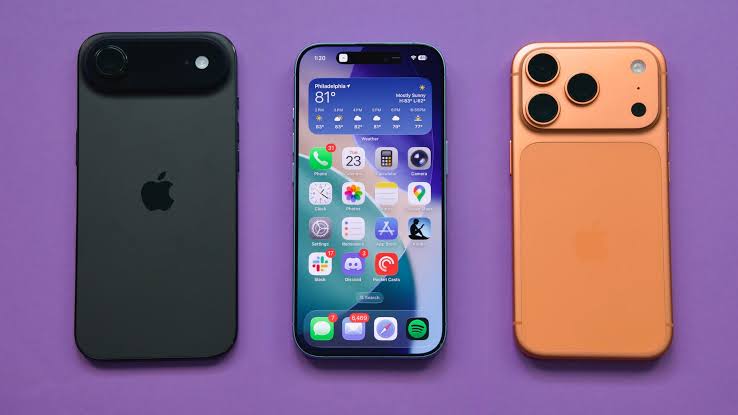
By tossing out physical keyboards and plastic styluses in favor of a multi-touch screen operated entirely by your fingertips, the iPhone completely shifted the trajectory of modern technology, laying the foundation for the modern app economy.
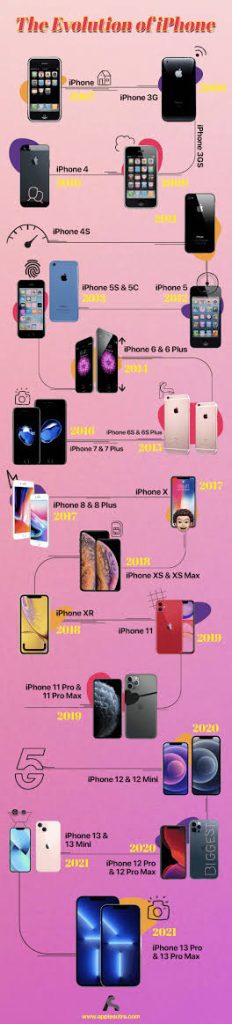
The Recipe Behind the PhenomenonThe enduring success of the iPhone doesn’t just come from hardware specs; it’s deeply tied to how Apple builds it:Vertical Integration: Because Apple designs both the hardware (like their custom A-series and M-series chips) and the software (iOS), iPhones are incredibly efficient. This is why they often outperform competitors with technically higher RAM on paper.The Ecosystem Trap (The “Walled Garden”): Features like iMessage, AirDrop, and seamless pairing with Apple Watches and AirPods create a highly secure, fluid experience that makes it incredibly tough for users to leave.
Long-Term Support: Apple routinely provides major software updates to devices that are 5 to 6 years old, giving them excellent resale value compared to the broader smartphone market.
Today, the iPhone has evolved far beyond its humble roots into an AI-driven powerhouse, utilizing on-device machine learning (Apple Intelligence) and sophisticated multi-camera arrays that process professional-grade video in real time. With over 3 billion units sold globally since its inception, it remains one of the most successful consumer products in human history.